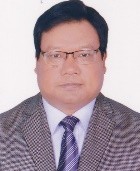
CDI Team
Director
Theophil Nokrek
Director
theophil.cdi@gmail.com
theophil.dir@caritascdi.org
Theophil Nokrek is the Fourth Director of Caritas
Development Institute (CDI). Theophil Nokrek has nearly 15
years of experience in Development Sector. He served as
Regional Director in Caritas Mymensingh Region for 7 years.
He also has extensive managerial experience on human
resources and capacity development. He has experience in
research, training and evaluation. He has training with
particular expertise in Indigenous Rights, Ethnic culture,
Traditions, livelihood, Project formulation, Training of
Trainers, Facilitation in Peoples Organization, Community
Based Credit Union and Disaster Management. He is also
expert in Advocacy training with practical experience with
the community of Indigenous Peoples land rights and other
rights establishment as per UN declarations and ILO
conventions. Theophil Nokrek actively participates in
national and international forums on indigenous peoples
issues. He is member of HR committee of Caritas Bangladesh.
He currently leads the team of Research and Training
division of Caritas Development Institute. He is responsible
to conduct research/study/evaluation/action research of
Caritas Bangladesh and Partner Organizations. He has served
on a number of Bangladesh's technical and advisory
committees' including the National Committee on 'Peace and
Justice Commission,'Committee for mainstreaming People Led
Development, Mymensingh Shahar Cooperative Credit Union
Ltd., The Achik Cooperative Housing Society Ltd. and Board
of Trustee member of Caritas Development Institute (CDI). He
holds M.Phil research degree on "Life in Garo Culture" from
the Department of Bangla from Jahangirnagar University,Savar
and he is presently doing PhD research on "Changing of Garo
Culture and: Its Scenario." from the same University. He is
trained in Disaster Management, People Led Development,
Community Advocacy, Indigenous Rights. He is President of
Greater Mymensingh Garo Researcher, Writer and Poet
Association too. He has published many articles in different
journals and magazine. He has published three poetry books
of own. He is member of Rotary Club of Mymensingh and Member
of Jila Shilpakola Academy of Mymensingh. Presently he is
working with Notre Dame College of Mymensingh as Governing
Body member.
Show Less
Training Team
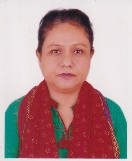
Sukti Kona Sangma
Coordinator,Training
Email: sukti@caritascdi.org
Sukti Kona Sangma has been serving the position of Senior
Faculty Member. She started her career at CDI as Faculty
Member on 21st August 2002. She earned her MSS degree in
Anthropology from Jahangirnagar University. She previously
served the position of Research Assistant at CCDB and
Trainee Officer at World Vision Bangladesh Mrs. Sangma is
now responsible to develop modules and education materials
for training courses, coordinate and Facilitate training
courses, conduct evaluation of CDI activities along with
other Caritas projects/partner organizations as and when
necessary, prepare training reports, visit fields as and
when required.
Show Less
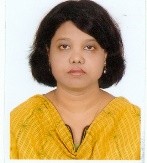
Samiron Orpa Kuzur
Senior Faculty Member
Email:orpa@caritascdi.org
Samiron Orpa Kuzur is a Senior Faculty Member of Caritas
Development Institute. She is working at Caritas Development
Institute since 2004. She obtained her B.A Honors and M.A
degree in History from University Of Rajshahi. She started
her development carrier in Caritas Bangladesh in 2001. In
the commence of her service in 2001, she worked in projects
of Development Extension and Education Services and
Development (DEEDS) and Integrate Community Development
Project (ICDP) under Caritas Dinajpur Regional Office.
Show less
Show less

Khurshidha Akhtar Jahan
Senior Faculty Member
Email: sumi@caritascdi.org
Khurshida Akhtar Jahan has been serving as a Senior Faculty
Member in Caritas Development Institute (CDI) since April
2007. Ms. Jahan has profound professional experiences in
designing, facilitating, evaluating and implementing
training and related professional development initiatives
for teachers, staff and professionals in development
sectors.
Ms. Jahan has extensive experiences in working in the field of gender, social justice, education, development and other related aspectsat national and international level. Before CDI, she worked for capacity development initiatives under the BRAC Learning Division of BRAC; Training Unit of Association for Land Reform and Development (ALRD), Capacity Development Unit (CDU) of COMMUNiCA, a leading organization in human resource development. Ms. Jahan also involved in designing and facilitating training for UNICEF, World Vision Bangladesh, Food for Hungry, Sesame Workshop Bangladesh and Swiss Contact Bangladesh. Show less
Ms. Jahan has extensive experiences in working in the field of gender, social justice, education, development and other related aspectsat national and international level. Before CDI, she worked for capacity development initiatives under the BRAC Learning Division of BRAC; Training Unit of Association for Land Reform and Development (ALRD), Capacity Development Unit (CDU) of COMMUNiCA, a leading organization in human resource development. Ms. Jahan also involved in designing and facilitating training for UNICEF, World Vision Bangladesh, Food for Hungry, Sesame Workshop Bangladesh and Swiss Contact Bangladesh. Show less
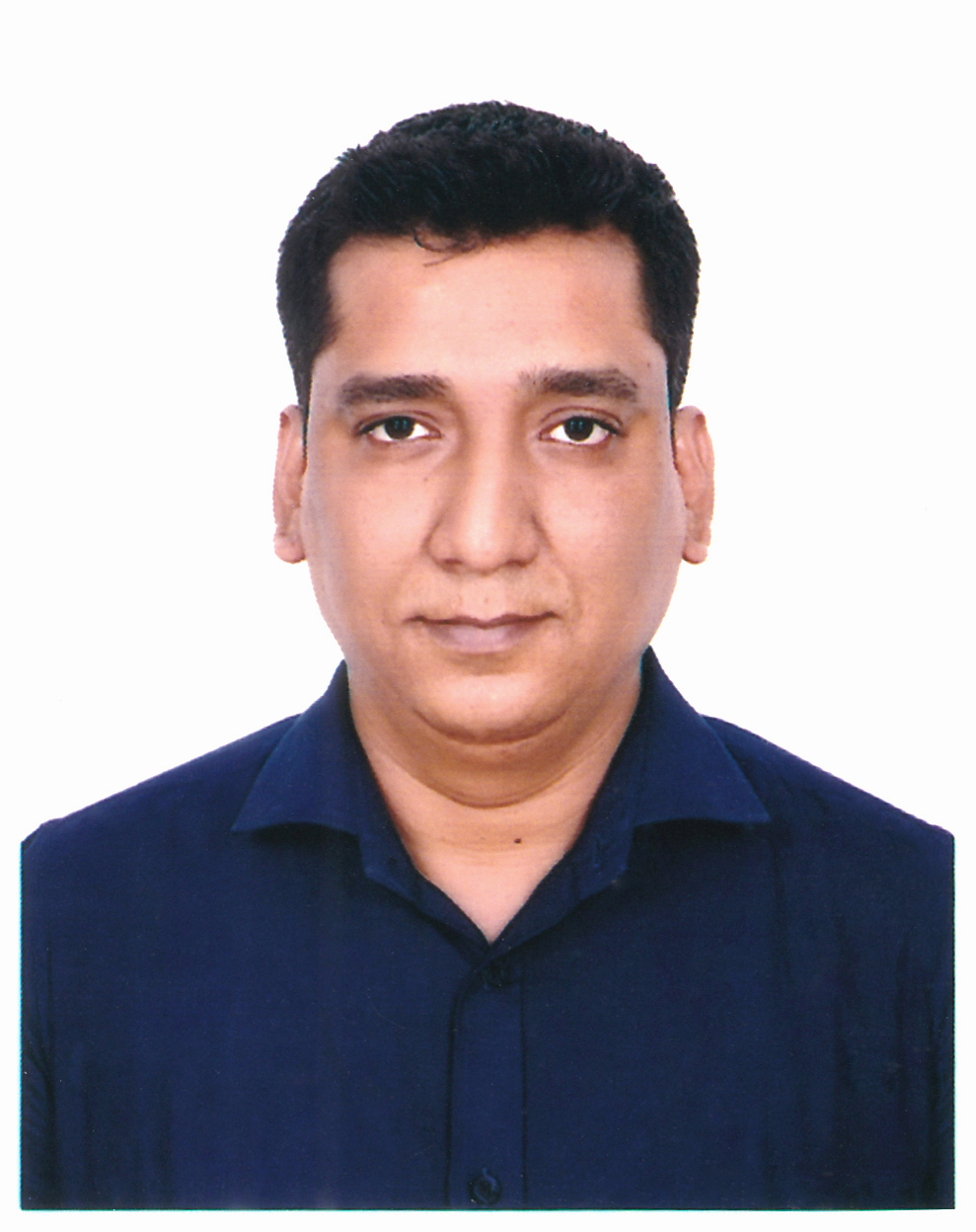
Tanmoy John D Costa
Faculty Member
Email: tanmoyjohn@caritascdi.org
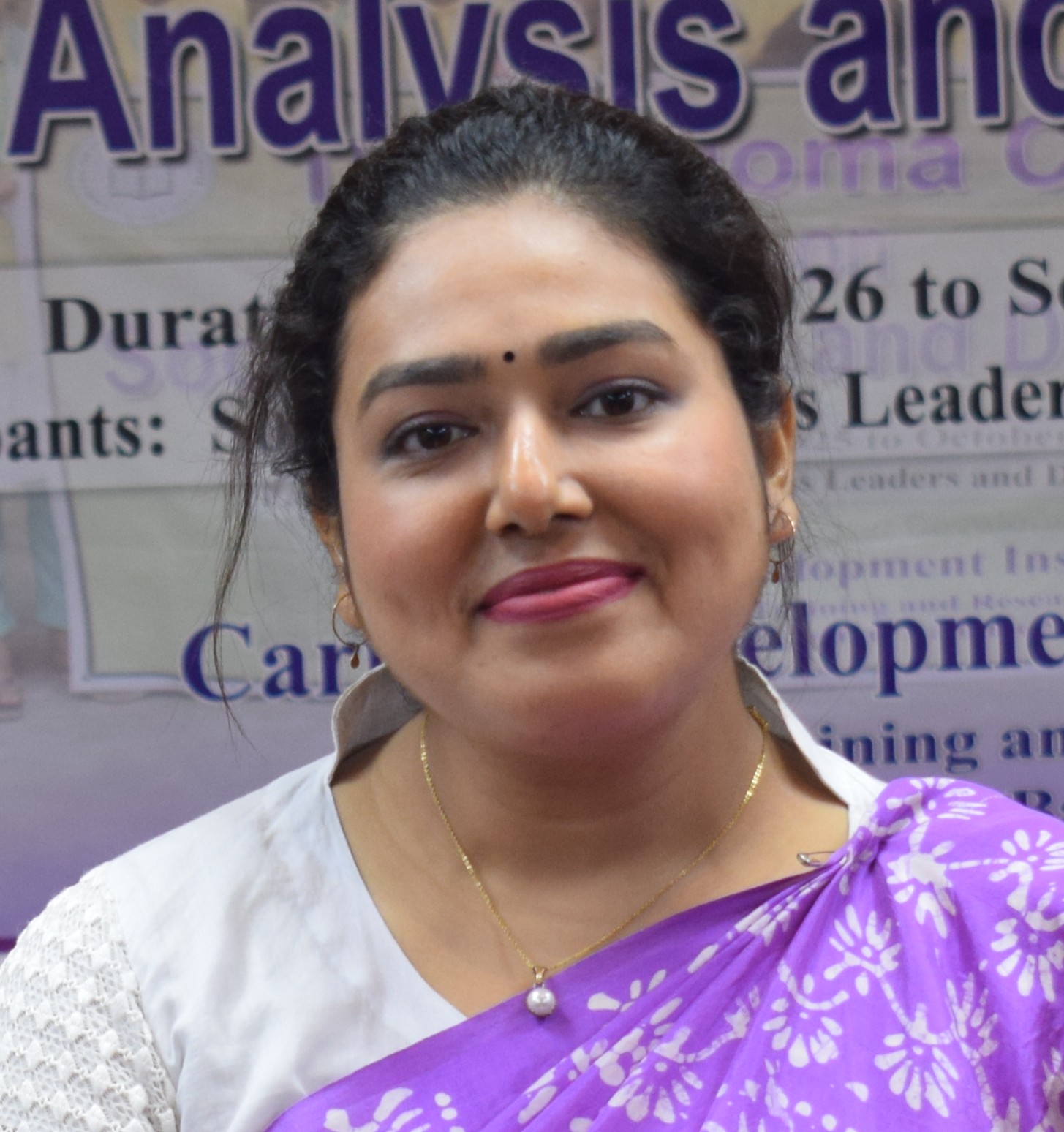
Tanmoy John D Costa is a development and humanitarian professional with over seven years of experience in programme management and operations, administration, logistics and event management, internal control and compliance, and stakeholder coordination, including government liaison. He has worked with Caritas Bangladesh in various capacities at the Central Office, Dhaka, including Senior Internal Auditor, Program Officer–Operations under the Disaster Management Sector, and Coordinator–Logistics & Event Management. He also served as Child Protection Team Leader and held field-level administrative and operations roles under USAID-funded projects in Bandarban and Emergency Response Programmes for FDMNs (Forcibly Displaced Myanmar Nationals) in Cox’s Bazar. He currently serves as a Faculty Member at Caritas Development Institute (CDI), joining in September 2026, where he is engaged in training, module development, academic sessions, publications, and stakeholder coordination. He holds an MBA in Human Resource Management from Southeast University and a BBA in Accounting from East West University.
Show less
Ferdinand Pereira
Faculty Member
Email:ferdi@caritascdi.org
Ferdinand Pereira has been serving as Training Faculty
Member since November 2017. Prior to that, he has served as
Training and Research assistant for CDI. He earned his M.S.S
degree in Social Welfare from Dhaka University in the year
1996. Previously he worked in different capacities such as
Water and Sanitation, Health and Education, Gender issues
with organizations such as Partners in Health and
Development, NGO Forum for Public Health, Steps towards
Development, Action Aid Bangladesh, Etc. At present Mr.
Pereira is responsible to prepare/design Training modules,
deliver training as and when required by the organization,
Assist in preparing different publications, and provide
support to the CDI Team.
Show less
William Jariel
Faculty Member
Email:williamjariel101@gmail.com
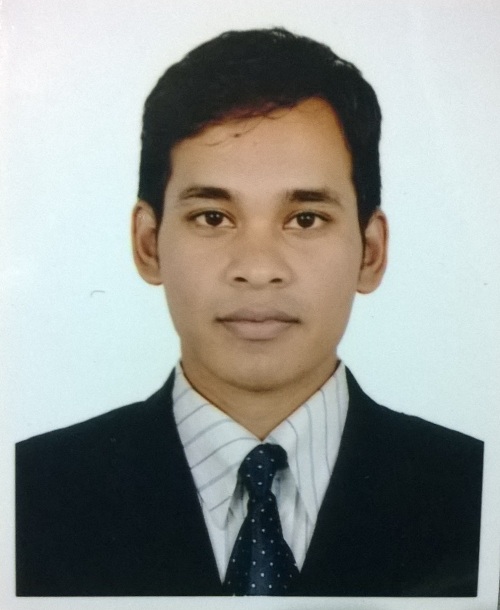
William Jariel Faculty Member Caritas Development Institute. He has Newly appointed as a Faculty Member. He has successfully completed his Master’s Degree in English Literature. After that he completed his Diploma degree on Social Analysis and Development from Caritas Development institute. He worked in the development sector for more the 6 years. During this time, he worked and supported in the education sector and facilitated training at School level as well as in different Field and community.
Show less
Research Team
Golam Maainuddin
Coordinator,Research
Email: maain@caritascdi.org
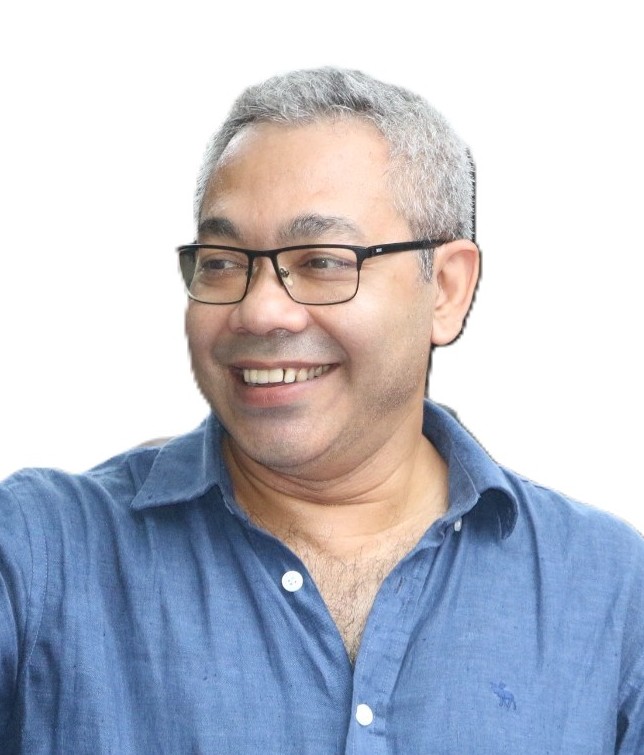
Golam Maainuddin is an experienced research professional with more than 23 years of experience in social science research in the development and humanitarian sectors, specializing in research on climate risk and resilience, disaster risk reduction, livelihoods and socio-economic development. He holds a Master’s degree in Disaster Management from the University of Dhaka, with a focus on Climate Crisis, Sustainability and Resilience, ecology and environment, Disaster Risk and Vulnerability and gender and intersectionality. He also holds another Master’s degree in Management from Comilla Victoria Government College under the National University of Bangladesh.
He has extensive experience in designing and leading diverse research and assessment assignments, including socio-economic research, applied research, empirical research, and participatory action research. His portfolio includes baseline study, endline, and impact assessments; feasibility and needs assessments; project evaluations; value chain, and labour market studies; and programme reviews at both national and international levels. His professional experience spans key thematic areas including poverty reduction, economic development, SME promotion, livelihood resilience, humanitarian response, climate and disaster risk reduction and resilience, migration, and intersectionality analysis. He has worked extensively with government institutions, international agencies, and national development organizations.
Mr. Maainuddin has served as an International Consultant for the Community Entrepreneur Development Institute (CENDI), Vietnam, providing technical leadership in research design, MEAL planning, and study implementation on ecological livelihoods. He has led major assignments such as the SHADE Project Livelihood Study and the Employment and Labour Market Analyses (ELMAs) under the UMIMCC II Project for GIZ. He also engaged as a core study team member for the Bangladesh Environmental Management Program (BEMP), Department of Environment, Government of Bangladesh, Community Level Information Flow Assessment to support Disaster Management Information Network (DMIN). He contributed to large-scale Rohingya emergency response programmes through research and program implementation. Show less
He has extensive experience in designing and leading diverse research and assessment assignments, including socio-economic research, applied research, empirical research, and participatory action research. His portfolio includes baseline study, endline, and impact assessments; feasibility and needs assessments; project evaluations; value chain, and labour market studies; and programme reviews at both national and international levels. His professional experience spans key thematic areas including poverty reduction, economic development, SME promotion, livelihood resilience, humanitarian response, climate and disaster risk reduction and resilience, migration, and intersectionality analysis. He has worked extensively with government institutions, international agencies, and national development organizations.
Mr. Maainuddin has served as an International Consultant for the Community Entrepreneur Development Institute (CENDI), Vietnam, providing technical leadership in research design, MEAL planning, and study implementation on ecological livelihoods. He has led major assignments such as the SHADE Project Livelihood Study and the Employment and Labour Market Analyses (ELMAs) under the UMIMCC II Project for GIZ. He also engaged as a core study team member for the Bangladesh Environmental Management Program (BEMP), Department of Environment, Government of Bangladesh, Community Level Information Flow Assessment to support Disaster Management Information Network (DMIN). He contributed to large-scale Rohingya emergency response programmes through research and program implementation. Show less
Polok Clement Rozario
Senior Research Fellow
Email: polok@caritascdi.org
Polok Clement Rozario has been working as a Research Fellow
at Caritas Development Institute since November 2017.
Earlier he served the same organization for one and half
year as a Research Assistant. He has expertise in the field
of Feasibility study, Baseline study, Impact assessment,
Project evaluation, Action research, Tracer study and
Employment & Labour Market analysis.Polok Clement Rozario
Completed his BBA (Management)from University of Dhaka & MBA
(Strategic & International Management)University of Dhaka.
Also Recieved Training Course on SPSS for Professionals from
Department of Statistics, University of Dhaka, Advanced
Course on Research Methodology from Institute of Education
and Research (IER), University of Dhaka. As a member of CDI
research team he has undertaken researches for several
national organizations including Caritas Bangladesh,
Dipshikha, Aloha Social Services Bangladesh (ASSB), Barendra
Development Organization (BDO), Samakal Samaj Unnayan
Sangstha (SSUS) and GIZ Bangladesh. Publication Misery of
Rohingyas': Moral obligation of Bangladesh, page 43,
Year-30, Issue-30, Unnayan Shamikkhan, Caritas Development
Institute
Show less
Information and Communication Team

Jessy Mark Gomes
ICT Officer
Email: jessy@caritascdi.org
Jessy Mark Gomes has joined Caritas Family in July 2016 as
an ICT officer He earned his BSc in Computer and Information
System from the Universidad Del Gulf under Bhuiyan Institute
of Technology. He also earned International advance Diploma
in Computer Studies majoring internet Security from NCC
Education from a global provider and awarding body of
British education. During his Education period he has been
involved with teams and companies where he made his both
educational & career base with Information technology world.
Previously he worked with IT projects and both international
and local organizations in ICT sector. Jessy Mark Gomes
presently working as an ICT Officer at Caritas Development
Institute (CDI).
Show less
Shion Benedict Sarkar
Volunteer(Library)
shion.lib@caritascdi.org
Mr. Shion Benedict Sarkar is an Volunteer (Library). Professional with a profound academic background and professional skills, working as the Volunteer of Caritas Development Institute (CDI) since 25 June 2019. Continuing Bachelor of Arts degree in Library & Information Science from University of National. Along with engagement track in social development sector for more than 4 years and outstanding communication skill he has competence in Information management, automated and digital library operations, corporate communications, and sub-editorial works for publication. He has also completed a three month’s course in Graphic Design from Islam Computers and Printing Press, Motijheel, Dhaka-1000. Proficient in both Bengali and English, he believes 'we are stronger when we listen, and smarter when we share'.
Show less
Administration Team
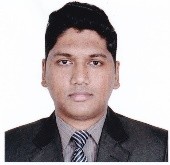
James Soren
Junior Admin & HR Officer
jamessoren@caritascdi.org
James Soren joined Caritas Family in October 2020. He completed his BBA & MBA in Finance and Banking at Tejgaon College under National University. During this time, he served as an Assistant Admin & HR in the same organization for two years. Also received a Training Course on ToT on Facilitation Skills and Modern Practices of Supply Chain and Logistics Management from Bdjobs e-learning. Skills in Microsoft Office, time management, teamwork, interpersonal communication, administrative, employee relations, collaboration and decision-making. Prepare a tri-monthly appraisal report for staff and prepare various kinds of Leave and Attendance Management to use database software. James Soren is presently working as a Jr. Admin & HR Officer at Caritas Development Institute.
Show less
Our Helping Hand
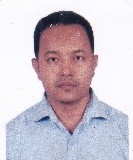
Niloy Thigidi
Driver
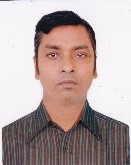
Nitol Mark Costa
Caretaker cum Campus Maintainer
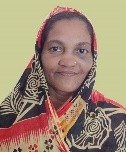
Ruby Begum
Janitor
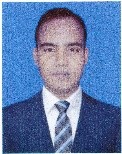
Probin Prodhan
Janitor
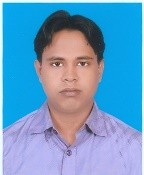
Likhon Luis Rozario
Cook